Luxury perspectives on baltic capital cities for discerning guests
The three baltic capital cities of Tallinn, Riga, and Vilnius reward travelers who value character, culture, and comfort. Each town offers a distinct rhythm for your trip, yet all three share a compact scale that suits refined urban exploration. For guests focused on Latvia, Riga stands as a graceful gateway to the wider Baltic states and to carefully curated hotel experiences.
Recent demographic and economic shifts have reshaped how travelers view these capitals within the broader baltic region. Vilnius has quietly become the largest and wealthiest of the baltic capitals, while Riga maintains its role as a transport hub and Tallinn excels in digital innovation. This balance of strengths means a single trip can combine heritage, contemporary design, and nature without sacrificing premium standards.
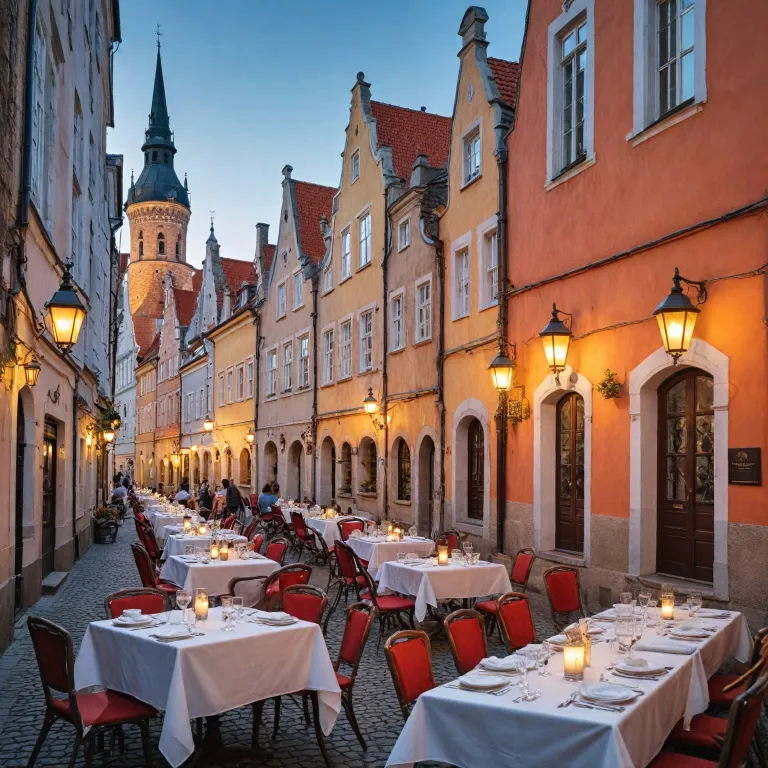
In Vilnius, the UNESCO listed Old Town and European Green Capital status appeal to travelers who value walkable streets and generous green spaces. Riga in Latvia offers art nouveau avenues, riverside promenades, and a hotel scene that ranges from discreet luxury to contemporary premium properties. Tallinn in Estonia blends medieval walls with a thriving tech culture, giving guests a choice between historic charm and sleek modern stays.
For travelers comparing baltic capitals, understanding these nuances is essential before choosing a single room or multi city itinerary. The mayors and city councils of Vilnius, Riga, and Tallinn have prioritized sustainable growth, cultural investment, and improved quality of life. This long term vision directly benefits luxury and premium guests, who now find better infrastructure, higher service standards, and more sophisticated hotel options across all three cities.
Choosing the right baltic capital for a premium stay
Selecting among the baltic capital cities begins with clarifying the mood you want for your trip. Riga in Latvia suits travelers who enjoy grand boulevards, riverside walks, and easy access to the rest of the baltic states. Tallinn in Estonia offers a compact medieval town center, while Vilnius in Lithuania provides a more relaxed, green city atmosphere.
In Vilnius, the Old Town’s baroque skyline and cobbled streets frame many of the city’s finest hotel addresses. Guests can book a single room overlooking church spires or choose suites facing leafy courtyards, often within walking distance of major cultural venues. The city’s growing prosperity has encouraged investment in high end hospitality, which now rivals more established European capitals.
Riga’s premium hotel scene reflects its role as Latvia’s largest transport hub and cultural center. Many luxury properties cluster near the Old Town, the riverfront, or the art nouveau district, giving guests a choice of views and ambiences. For travelers seeking panoramic coastal scenery during their stay in Latvia, curated guides to luxury hotels with sea views can help refine the selection.
Tallinn in Estonia combines a fortified Old Town with a modern business district and creative neighborhoods. Premium hotels here often emphasize spa facilities, sea views, and easy access to the historic center, which suits both leisure and business guests. When comparing options across baltic capitals, consider how each city’s layout, transport links, and cultural calendar align with your preferred pace of travel.
Seasonal strategies for booking luxury hotels in Riga and beyond
Seasonality plays a decisive role when planning a luxury stay in the baltic capital cities. In Riga and across Latvia, the period from jun jul and jul aug typically brings the warmest weather and the liveliest outdoor events. During these months, demand for every premium hotel and single room rises sharply, especially in Old Town districts and near waterfronts.
Travelers who prefer quieter streets and softer light often favor sep oct or oct nov for their trip. In the baltic states, these shoulder seasons offer lower rates, more flexible room categories, and a calmer atmosphere in Tallinn, Riga, and Vilnius. For winter enthusiasts, nov dec and the deep winter months turn Riga and other Latvian destinations into elegant bases for festive markets and countryside escapes, supported by guides to luxury ski resorts in Latvia.
Spring in the baltic capitals, especially mar apr and apr jun, brings longer days and blooming parks that flatter riverside and Old Town views. This period can be ideal for a walking tour in Vilnius or a curated tour in Tallinn, combined with a stay in a refined hotel in Riga. Guests who value spa facilities and wellness programs may also appreciate the calmer atmosphere of late winter and early spring.
For those planning far ahead, the deep winter transition from jan feb into feb mar can yield attractive premium offers. Many hotels in Latvia, Estonia, and Lithuania use these months to entice guests with added value, such as complimentary upgrades or spa access. Aligning your preferred climate with these seasonal patterns helps secure the right single room or suite at the right moment in any of the baltic capitals.
Designing a refined multi city itinerary across baltic capitals
A thoughtfully planned itinerary across the baltic capital cities allows travelers to experience three distinct cultures in one elegant arc. Many guests begin in Tallinn, continue through Riga in Latvia, and conclude in Vilnius, though the reverse route works equally well. Efficient road and coach links make it easy to move between Estonia, Latvia, and Lithuania while maintaining a premium standard of comfort.
When planning estonia latvia segments, consider combining Tallinn’s medieval core with a night or two in a countryside manor before arriving in Riga. From Riga, a side trip to heritage properties such as Pakruojis Manor in northern Lithuania can add depth and historical context to your journey. Continuing into Vilnius completes a graceful circuit of the baltic capitals, with each town offering its own architectural and culinary highlights.
Guided tours and private transfers can elevate the experience, especially for travelers who value seamless logistics. A curated walking tour in each city helps orient you quickly, while a themed tour focused on architecture, gastronomy, or the soviet era can add intellectual richness. Some operators label their itineraries as baltic capitals journeys, often including detailed trip notes that outline daily activities and optional experiences.
For travelers who prefer flexibility, a view trip approach allows you to hold a provisional plan while keeping some evenings open. Optional extensions might include coastal stays in Latvia or additional nights in Vilnius to enjoy its parks and cultural venues. Throughout, choosing a single room or suite in centrally located hotels ensures that every transition between the baltic states feels smooth and unhurried.
Practical booking insights for premium hotels in Latvia
Booking a luxury hotel in Riga or elsewhere in Latvia requires attention to detail that goes beyond simple price comparison. Room categories can vary widely between properties, so always confirm whether a single room offers a city view, courtyard outlook, or interior aspect. In premium hotels across the baltic states, these distinctions significantly influence the overall feel of your stay.
Many travelers planning a trip through the baltic capitals appreciate expert guidance on Latvia specific booking strategies. Resources such as in depth advice on premium hotel booking in Riga and beyond can help you interpret rate structures, seasonal offers, and added value inclusions. Paying attention to whether breakfast, spa access, or late checkout are optional or standard can make a notable difference to comfort.
When combining Latvia with Estonia and Lithuania, align your hotel choices with planned tours and transfers. If you have an early walking tour in Riga’s Old Town, staying within a short stroll of the meeting point preserves a relaxed pace. Similarly, in Vilnius and Tallinn, selecting hotels near key cultural districts reduces transit time and maximizes enjoyment of each town.
Experienced travelers also review trip notes carefully before confirming reservations, especially for multi city itineraries labeled as baltic capitals journeys. These documents often clarify whether certain experiences are optional, how much free time is included, and what level of service to expect. By matching these details with your personal preferences, you can ensure that every room, from single to suite, supports the refined rhythm you seek in Latvia and the wider baltic region.
Risk management, cultural context, and expert perspectives
Thoughtful risk management is an essential part of planning a premium journey through the baltic capital cities. Comprehensive travel insurance should cover medical care, trip interruption, and high value belongings, particularly when staying in luxury hotels. For multi country itineraries across Estonia, Latvia, and Lithuania, confirm that your travel insurance explicitly includes all three baltic states.
Understanding the region’s layered history also enriches each town you visit, from medieval guilds to the soviet period and modern independence. Many curated tours in Tallinn, Riga, and Vilnius include a soviet history component, which can provide context for architecture, monuments, and local perspectives. A dedicated soviet era walking tour in any of the baltic capitals can be especially illuminating for culturally curious guests.
Local governance plays a quiet but important role in shaping the visitor experience in these capitals. Vilnius City Mayor Valdas Benkunskas, Viesturs Kleinbergs in Riga, and the Tallinn City Council have all emphasized sustainable growth, improved public spaces, and better services. Their policies support the development of high quality hotels, well maintained historic districts, and efficient transport that benefit discerning travelers.
Expert analysis highlights how these efforts have transformed Vilnius into the leading city among the baltic capitals. “Vilnius' population growth is attributed to its expanding economic power, innovative business environment, and rising living standards.” As a result, guests who include Vilnius alongside Riga and Tallinn in their trip gain insight into a dynamic urban landscape that complements Latvia’s cultural depth and Estonia’s digital edge.
Key figures shaping the baltic capitals today
- Vilnius now has approximately 607 667 residents, making it the most populous of the baltic capitals.
- Riga follows with around 591 881 residents, remaining Latvia’s largest city and a central hub for the baltic states.
- Tallinn counts about 456 518 residents, combining a compact scale with strong digital infrastructure.
- Vilnius’ GDP per capita stands about 9 percent higher than Tallinn’s, underlining its growing economic strength.
- Vilnius’ GDP per capita is also roughly 5 percent above the wider European Union average.
Questions travelers often ask about baltic capital cities
What factors contributed to Vilnius becoming the largest baltic city ?
Vilnius has attracted residents through a combination of economic opportunity, quality of life, and urban planning. Its expanding innovation and technology sectors have created jobs that draw talent from across Lithuania and beyond. These trends, supported by infrastructure investment and cultural vitality, have gradually lifted Vilnius above Riga and Tallinn in population.
How does Vilnius' GDP per capita compare to other baltic capitals ?
Vilnius currently outperforms its regional peers in economic output per resident. Its GDP per capita is measured as 9 percent higher than Tallinn’s and significantly ahead of Riga’s, reflecting stronger productivity and income levels. For travelers, this often translates into a more diverse hospitality scene, improved services, and continued investment in public spaces.
What is the significance of Vilnius being named European Green Capital ?
The European Green Capital title recognizes cities that excel in sustainable urban development and environmental performance. In Vilnius, this has meant a focus on green spaces, cleaner transport, and policies that encourage low impact living and tourism. Visitors benefit from extensive parks, walkable districts, and a general emphasis on livability that enhances any stay in the city.