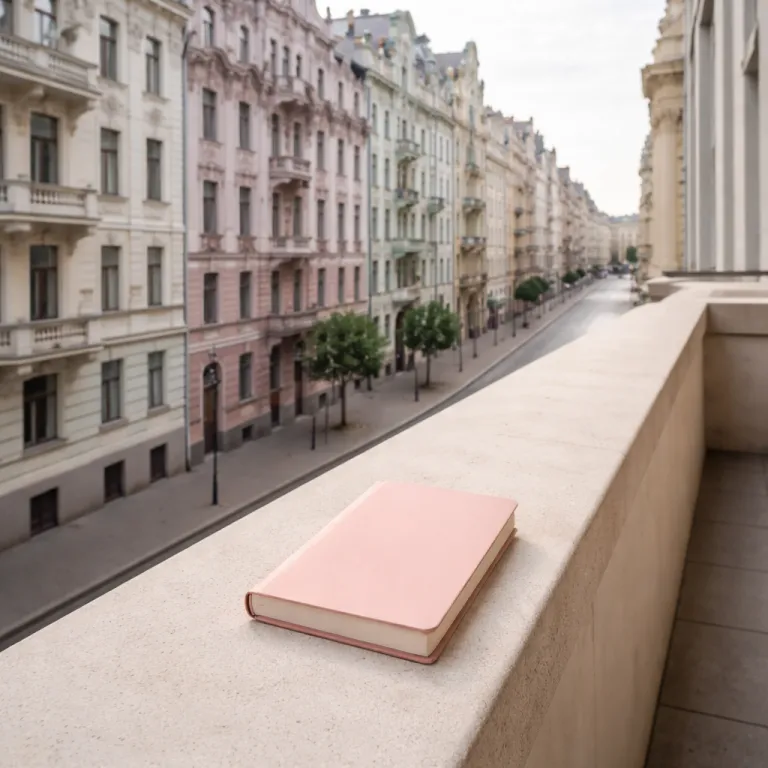
Why Riga’s Art Nouveau quarter matters for luxury travelers
Riga is not just another pretty Baltic city; it is one of Europe’s densest open air galleries of Art Nouveau architecture. According to the Riga Art Nouveau Centre and the city’s tourism board, roughly one third of the central district buildings carry this expressive visual language, which turns a simple walking tour into a curated design experience. For travelers choosing premium hotels in Latvia, understanding this architectural fabric helps you find the right street, the right iela, and the right view from your room.
Architectural tourism here is serious, not a side activity, and any credible Art Nouveau walking route in Riga must start from that premise. Local data from the Riga City Architect’s Office and the Art Nouveau Centre indicates more than 800 Art Nouveau buildings in the city center alone, which means your walk can be tailored to mood, weather, and how far you want to stroll before a glass of wine. This density also makes Riga ideal for guided walking experiences, free walking routes, and private tours with Riga specialists who can align a city walk with your hotel’s location.
Art Nouveau in Riga emerged at the turn of the century and peaked before the First World War, when the town was booming as a port of the Russian Empire. The result is a city where Jugendstil architecture is not confined to one district but spills from the Old Town edge towards the Quiet Centre and beyond. When you book a luxury stay, you are effectively choosing which chapter of early twentieth century Riga you want outside your lobby door.
Four faces of Riga’s Jugendstil
Any serious tour of Riga’s architecture should help you read the four main Jugendstil sub styles as you walk. Eclectic Decorative façades, often by Mikhail Eisenstein, dominate Alberta iela and nearby Albert Street, where masks, peacocks, and sculpted faces crowd the buildings. Look for emblematic addresses such as Alberta iela 2a, 4, 8, and 13, where every balcony and cornice feels like a stage set. Perpendicular style pulls the eye upward with strong vertical lines, ideal for a walking tour that starts near the Freedom Monument and moves into the business district streets along Brīvības iela.
National Romantic buildings, many by Konstantīns Pēkšēns, feel heavier and more grounded, with granite, folk motifs, and a palette that suits the northern light. Neo Classical Jugendstil is quieter, with restrained ornament and balanced proportions, and it often frames some of the best luxury hotel addresses in the city. As you follow any Riga Art Nouveau itinerary, you will start to find these four styles repeating along each iela, turning a simple walk into a kind of architectural tasting menu.
Local tourism boards and historical societies now promote both guided walking and self guided walking tours that explain these styles in context. They use maps from visitor centers, mobile apps, and even augmented reality tools to show how certain Jugendstil buildings looked when first completed. This layered approach to Riga’s architectural heritage makes the city feel like a living museum, yet still very much a functioning town where people work, sleep, and check in to quietly luxurious hotels.
Where to stay for façade front row seats
For travelers using a luxury hotel booking website focused on Latvia, the most strategic choice is often a property in or near the Quiet Centre. From here, you can walk to Alberta iela in minutes, reach Elizabetes iela and Elizabeth Street corners without a map, and still be close to the Old Town restaurants. Many premium hotels in this district occupy early twentieth century buildings themselves, which means your room key becomes part of the Art Nouveau story.
Some addresses offer direct views onto Albert Street or Alberta iela, where the façades by Mikhail Eisenstein are among the most photographed in the city. Others sit on calmer side streets, where Jugendstil buildings are less theatrical but more livable, ideal for guests who prefer subtlety over spectacle. When you browse options on a curated booking platform, look for properties that mention restored staircases, original stucco, or preserved façades, as these details usually signal authentic Art Nouveau architecture rather than pastiche.
If you prefer to sleep closer to the river and commute into the Art Nouveau district, select a central hotel with easy tram access. This keeps you near the Freedom Monument, the Central Market, and the Old Town, while still allowing a short walking tour into the Quiet Centre each afternoon. Either way, your choice of hotel in Riga shapes how you experience the city’s Jugendstil layers, from morning coffee on a carved balcony to an evening walk along a lantern lit iela.
A 90 minute self guided route beyond Alberta iela
This 90 minute Riga Art Nouveau route is designed for travelers staying in premium hotels who want a structured yet flexible walk. Start at the Freedom Monument (Brīvības bulvāris 1; approx. 56.9516° N, 24.1138° E), Riga’s symbolic heart, where many free walking groups also gather for a first orientation. From here, walk north along Brīvības iela for about 400 metres, then turn left towards the Quiet Centre, leaving the busiest town streets behind.
Pause at the edge of the Old Town to look back at the skyline, then follow your map towards Elizabetes iela, where the first wave of Jugendstil buildings appears. Aim for the stretch between Brīvības iela and Antonijas iela, roughly 600–700 metres in total, which offers a mix of Perpendicular and Neo Classical façades. It is a good place to test your eye, using the four style categories to read each building as you walk.
Continue your walking tour by turning onto Elizabetes iela near the intersection with Antonijas iela, then drift towards Alberta iela without rushing. Many guided walking tour operators in Riga will focus heavily on Alberta, but your aim is to treat it as one chapter, not the whole book. Spend ten minutes on this Alberta stretch, then deliberately move on, resisting the temptation to click endless photos of the same façades.
From Alberta to the quieter streets
Once you have walked the length of Alberta iela (about 250 metres), cross over to Strelnieku iela, where the mood shifts from theatrical to residential. Here, Jugendstil buildings sit beside later structures, and you can better understand how the district evolved as a living city rather than a frozen museum. This is also where a luxury traveler can start to imagine staying in a converted townhouse, rather than only admiring façades from the pavement.
Turn down quieter side streets such as Vīlandes iela and Ausekļa iela, where National Romantic houses reveal rough stone, stylised folk motifs, and deep doorways. These streets rarely appear on a standard free tour map, yet they offer some of the most atmospheric walks in Riga. If you are using a digital map, mark these as “things Riga does best” — calm, residential elegance with serious architectural depth.
Loop back towards the city center by heading south, letting your walking route pass through Kronvalda Park before returning to the Freedom Monument. This final walk frames the Art Nouveau district against green space and water, a contrast that many guided walking itineraries overlook. By the time you reach your hotel, you will have traced a complete circuit that goes well beyond the postcard version of Jugendstil Riga.
When to join or skip guided tours
Guided walking options in Riga range from intimate architectural tours to large free walking groups that touch briefly on Art Nouveau. If you are short on time, a focused city tour with a specialist guide can help you find key buildings quickly and understand their context. For guests staying several nights, a self guided route using this outline allows you to revisit favorite streets at different hours.
Many visitors combine a paid architectural walk with a later free tour that covers the Old Town, giving a balanced view of the city. This strategy works well for luxury travelers who want depth in one area and a lighter overview elsewhere. For more on how to structure your stay around neighbourhoods and hotel choices, see our detailed Riga city guide for premium and luxury stays.
If your schedule is tight, skip the generic free walking groups that promise “everything in two hours” and focus instead on the Quiet Centre. A concentrated Art Nouveau themed route will give you more value than a rushed circuit of churches, squares, and souvenir streets. Your hotel concierge can usually recommend a small group tour operator in Riga who understands both architecture and the expectations of high end guests.
Reading façades: how to see more than pretty ornament
Walking past Riga’s Art Nouveau façades without context is like skimming a novel in a language you half understand. To get more from any walking tour, train your eye to read three layers on each building: structure, decoration, and narrative. This approach turns every street in the district into a page of your personal Riga architecture guide.
Start with structure by stepping back across the iela and looking at the building’s overall shape, especially along Alberta iela and Elizabetes iela. Perpendicular style will pull your gaze upward with strong verticals, while Neo Classical compositions feel balanced and calm, often preferred by luxury hotels that want a dignified presence. Eclectic Decorative façades, common on Albert Street, explode with sculpted faces, garlands, and animals, which makes them thrilling to photograph but sometimes less practical for conversion into quiet, understated suites.
Decoration is the second layer, where you focus on balconies, window frames, and doorways as you walk. National Romantic buildings often use rough stone, stylised flora, and folk patterns, which you will find on side streets off Alberta iela and deeper into the district. These details matter for hotel hunters, because a property that has preserved its original Art Nouveau ornament usually signals careful restoration inside as well.
Narratives in stone and stucco
The third layer is narrative, the stories that façades tell about Riga’s ambitions during the early twentieth century. Masks and mythological figures on Jugendstil buildings often reflect a city projecting confidence, wealth, and cosmopolitan taste. When you walk these streets today, you are reading a town that once saw itself as a northern metropolis, not a provincial outpost.
Some façades hint at the professions of original owners, with caducei for doctors, owls for scholars, or maritime motifs for traders. Others, especially on Alberta iela, feel almost cinematic, which makes sense given that Mikhail Eisenstein, who designed many of Riga’s Art Nouveau buildings, was the father of film director Sergei Eisenstein. As you follow your chosen route, pause to find these narrative clues, then imagine how a modern luxury hotel might reinterpret them in interior design.
Inside certain converted buildings, you may see stained glass, tiled stairwells, and carved banisters that echo the exterior stories. When evaluating hotels on a premium booking platform, look for photo galleries that show these shared spaces, not only the rooms. For a deeper dive into which properties handle this heritage with real care, consult our refined Riga hotel guide focused on central addresses.
Using maps and digital tools intelligently
Modern travelers have access to a wealth of digital tools that can elevate a simple walk into a curated experience. Tourist centers provide printed maps that highlight key Art Nouveau streets, while mobile apps offer GPS based routes and background notes. Some platforms even experiment with augmented reality, overlaying historical images of Jugendstil Riga onto today’s façades as you move.
When planning your walking tours, avoid the temptation to click every suggested stop and instead curate a handful of buildings that align with your interests. Architecture enthusiasts might prioritise the most elaborate Jugendstil façades, while design conscious hotel hunters may focus on properties that now host high end suites. Either way, let your map serve the narrative of your trip, not the other way around.
Free walking apps can complement, but not fully replace, the insight of a knowledgeable guide who lives in the city. A balanced strategy is to use digital tools to find your way between districts, then join a guided walking session for deeper context at key clusters like Alberta iela and Elizabetes iela. This mix respects both your independence as a solo explorer and your desire for expert level understanding.
Art Nouveau Museum, café pauses, and golden hour in the Quiet Centre
No serious Riga Art Nouveau itinerary would omit the Riga Art Nouveau Museum on Alberta iela 12 (56.9580° N, 24.1127° E). Set in a former apartment designed by Konstantīns Pēkšēns, this museum offers an immersive look at how Jugendstil architecture translated into everyday life. Period furniture, textiles, and tableware show how the art movement extended beyond façades into the rituals of a well appointed town home.
Plan your walking tour so that the museum visit falls roughly at the midpoint, giving you a cultural pause between street segments. The building itself is one of the most important Jugendstil houses in the district, and its staircase is a highlight even for travelers who usually skip museums. Audio guides and small group tours here tend to be concise, which suits luxury travelers who prefer focused experiences over long lectures.
After the museum, step back onto Alberta iela and turn towards nearby cafés on Elizabetes iela or quieter side streets. These stops are not just for coffee; they are strategic vantage points from which to watch the city’s rhythm and study façades at leisure. Choose a window seat where you can see at least one Art Nouveau building, then let your walking map rest while the district passes by outside.
Golden hour in the Quiet Centre
The Quiet Centre earns its name in the late afternoon, when offices empty and embassy cars thin out. This is the moment when the low Baltic sun rakes across the façades on Albert Street, Elizabetes iela, and the surrounding ielas, revealing sculpted depth you might miss at midday. For photographers and architecture lovers, this golden hour is the single best time to walk the district.
Plan to start your evening walking tour near Kronvalda Park, then move slowly through Alberta iela and adjacent streets as the light shifts. National Romantic buildings, with their rough stone and deep window reveals, respond particularly well to this side light, which emphasises texture. Eclectic Decorative façades, meanwhile, cast dramatic shadows that make every mask and garland feel more theatrical.
Luxury travelers staying nearby can treat this as a pre dinner ritual, stepping out from their hotel for a 45 minute loop before heading to a reservation. Those based closer to the Old Town can take a short taxi or tram ride, then walk back towards the Freedom Monument as the sky darkens. Either way, golden hour in the Quiet Centre is one of the essential things Riga offers to anyone interested in art, architecture, and atmosphere.
Cafés, wine bars, and quiet corners
Between walks, the district’s cafés and wine bars provide elegant pauses that suit a luxury paced itinerary. Many occupy ground floors of Art Nouveau buildings, where high ceilings and large windows create generous, light filled rooms. Look for venues on side streets off Elizabetes iela, where the mood is more local than tourist heavy.
Some establishments lean into the Jugendstil theme with period inspired interiors, while others offer a contemporary counterpoint to the historic façades outside. Either way, they are ideal places to review your walking map, plan the next segment of your Riga tour, or simply watch residents return home along tree lined streets. If you prefer quieter corners, choose spots a few blocks away from Alberta iela, where the pace slows and conversations drop to a murmur.
For travelers combining Riga with a coastal escape, this is also a good moment to plan a side trip. Our guide to Jūrmala’s coastal elegance explains how to pair days of architectural walking with spa focused stays by the sea. The contrast between Jugendstil façades and pine framed beaches is one of Latvia’s most rewarding combinations for design minded visitors.
Planning your stay: hotels, logistics, and what to skip
Choosing the right hotel in Riga is as important as plotting your walking route. For travelers using a luxury and premium hotel booking website, focus on three zones: the Quiet Centre, the edge of the Old Town near the Freedom Monument, and the riverside. Each district offers a different balance between immediate access to Art Nouveau streets and broader city life.
The Quiet Centre places you within a short walk of Alberta iela, Elizabetes iela, and many lesser known ielas lined with Jugendstil buildings. This is ideal if your priority is to follow an Art Nouveau themed route from your front door, returning easily between tours for rest or spa time. Hotels here often occupy converted early twentieth century buildings, which means you sleep inside the very architecture you spend your days admiring.
Staying near the Freedom Monument or the Old Town gives you a more central base for exploring the wider city. From here, you can join free walking groups in the morning, then take a short tram or taxi to the Art Nouveau district for a focused afternoon tour. This option suits solo explorers who want both medieval streets and Jugendstil façades within a compact walking radius.
Logistics for an elegant walking focused trip
Riga is compact enough that most luxury travelers can rely on walking and occasional taxis rather than renting a car. Wear comfortable shoes, as pavements along some ielas can be uneven, especially near older buildings. Check the weather forecast before planning a long walking tour, since rain can make the city’s stone surfaces slippery.
Tourist information centers provide free maps that highlight Art Nouveau clusters, and many hotels keep their own curated walking suggestions at reception. Mobile apps can help you find specific addresses such as Alberta iela 12 for the Art Nouveau Museum or particular side streets with notable façades. If you prefer a structured experience, book at least one guided walking session with a reputable Riga tour operator who specialises in architecture.
Free tour options are widely advertised, but they often prioritise the Old Town over the Art Nouveau district. If your time is limited, choose a paid, small group walking tour that focuses on Jugendstil architecture rather than a broad “highlights of Riga” circuit. This ensures that your investment of time aligns with your interest in design and heritage.
What to skip when time is short
When schedules are tight, it is tempting to try to see every famous façade and every museum in one compressed day. Resist this and instead skip the more generic shopping streets between the Old Town and the Quiet Centre, which add walking time without much architectural reward. Focus on a tight loop that includes the Freedom Monument, Elizabetes iela, Alberta iela, Strelnieku iela, and a visit to the Art Nouveau Museum.
You can also skip large, mixed topic free walking tours if your primary interest is Art Nouveau, since they rarely spend enough time in the key district. A dedicated Riga architecture route, whether self directed or guided, will give you a richer understanding of the city’s identity. Leave space in your itinerary for unstructured walks, café stops, and quiet moments on side streets, where Riga’s character often reveals itself most clearly.
For luxury travelers, the goal is not to tick every box but to curate a stay where hotel, neighbourhood, and walking routes form a coherent whole. When these elements align, Riga becomes more than a stopover; it becomes a city you read slowly, façade by façade, street by street. That is the essence of an elegant Jugendstil walking journey through Latvia’s capital.
How Art Nouveau fits into Latvia’s wider cultural journey
Riga’s Art Nouveau district is a powerful entry point into Latvia’s broader cultural story. The same early twentieth century optimism that produced these façades also shaped music, literature, and design across the country. When you walk these streets, you are stepping into a moment when the city was asserting its identity within a larger empire.
For luxury travelers, this context matters because it informs how you choose to spend your time and where you book your stays. A hotel in the Quiet Centre places you inside the architectural narrative, while a property in the Old Town connects you to medieval trade routes and Hanseatic history. Combining both in a single trip, perhaps with a few nights in Jūrmala, creates a layered understanding of Latvia that goes beyond surface impressions.
Outside Riga, traces of Art Nouveau appear in smaller towns and seaside resorts, though never with the same density as the capital. This makes Riga the logical base for anyone using a premium hotel booking platform to plan a culture and heritage focused itinerary. From here, day trips and short overnights can extend your journey without diluting the intensity of your Jugendstil experience.
From façades to interiors and hospitality
Many of Riga’s most interesting luxury and premium hotels occupy historic buildings that once housed merchants, professionals, or aristocrats. Sensitive restorations keep original staircases, doors, and ceiling heights, while contemporary interiors add the comfort expected by today’s travelers. This blend of heritage and modernity mirrors the way the city itself balances preservation with daily life.
When evaluating properties on a site like mylatviastay.com, look for descriptions that mention authentic architectural features rather than generic “historic charm”. Photos of lobbies, corridors, and stairwells often reveal more about a hotel’s relationship to Art Nouveau than images of rooms alone. A property that respects its building’s original language is more likely to offer a stay that feels rooted in Riga rather than interchangeable with any other European city.
Service style also plays a role, especially for solo explorers who value discretion and local insight. Concierges who can sketch a quick walking map, recommend a quiet café on a side iela, or suggest a lesser known museum add real value to your Riga Art Nouveau experience. Over a few days, these small gestures accumulate into a sense of being temporarily woven into the city’s fabric.
Extending the narrative beyond Riga
Once you have walked the Art Nouveau district, visited the museum, and settled into the rhythm of the Quiet Centre, consider how to extend the narrative. A coastal interlude in Jūrmala, with its wooden villas and pine forests, offers a different architectural language but a similar attention to atmosphere. Inland, manor houses and small towns reveal other chapters of Latvian design history, from Baroque to functionalism.
Throughout these journeys, Riga remains the anchor, the place where Jugendstil provides both a visual and conceptual framework. Every return to the city, every walk along Alberta iela or Elizabetes iela, will feel richer once you have seen how the rest of Latvia lives and builds. In this way, a Riga Art Nouveau walking guide becomes not just a route through one district, but a lens through which to read an entire country.
For travelers who care about culture, architecture, and the quality of their hotel stays, this is what makes Riga compelling. It is a city where a single street can hold a century of stories, and where a carefully chosen room key can unlock far more than a door. Walk slowly, look up often, and let the façades guide the pace of your Latvian journey.
FAQ
What is Art Nouveau and why is Riga important for it ?
Art Nouveau is an art and architectural style from the late nineteenth and early twentieth centuries, characterised by flowing lines, natural motifs, and integrated design from façade to furniture. Riga is significant because it has one of the highest concentrations of Art Nouveau architecture in the world, with around 800 buildings in this style in the central city, according to local heritage surveys by the Riga Art Nouveau Centre and municipal planners. This density makes a Riga Art Nouveau walking route especially rewarding for travelers interested in architecture and design.
Are guided Art Nouveau walking tours available in Riga ?
Yes, Riga offers a wide range of guided walking options focused on Art Nouveau, from small group architectural tours to larger free walking formats that include the district as part of a broader city overview. Various guided tours are offered by local organizations, and many start near the Freedom Monument or in the Old Town before heading towards the Quiet Centre. Luxury travelers can also arrange private guided walking sessions through their hotel concierge or specialised Riga tour operators.
Can I explore Riga’s Art Nouveau district on my own ?
Self guided exploration is very feasible, as the district is compact and well mapped. Tourist information centers provide free maps highlighting key streets such as Alberta iela and Elizabetes iela, and mobile apps can help you find specific buildings and museums. A structured route, like the 90 minute walk outlined above, allows you to see major highlights while leaving room for spontaneous detours.
How long should I plan for an Art Nouveau focused visit ?
A dedicated half day is enough to follow a focused walking tour, visit the Riga Art Nouveau Museum, and enjoy a café stop in the Quiet Centre. Travelers with a deeper interest in architecture may want a full day to combine guided walking, free exploration, and time to photograph façades at golden hour. For a balanced city break that includes other things Riga offers, such as the Old Town and Central Market, plan at least two or three nights in the city.
What practical tips should I keep in mind for the walks ?
Wear comfortable walking shoes, as pavements can be uneven and you will likely cover several kilometres during a full Art Nouveau themed route. Check the weather forecast, since rain can make stone surfaces slippery and may affect how much time you want to spend outdoors. Visiting early in the day or around golden hour helps you avoid crowds on Alberta iela and see the façades in the most flattering light.