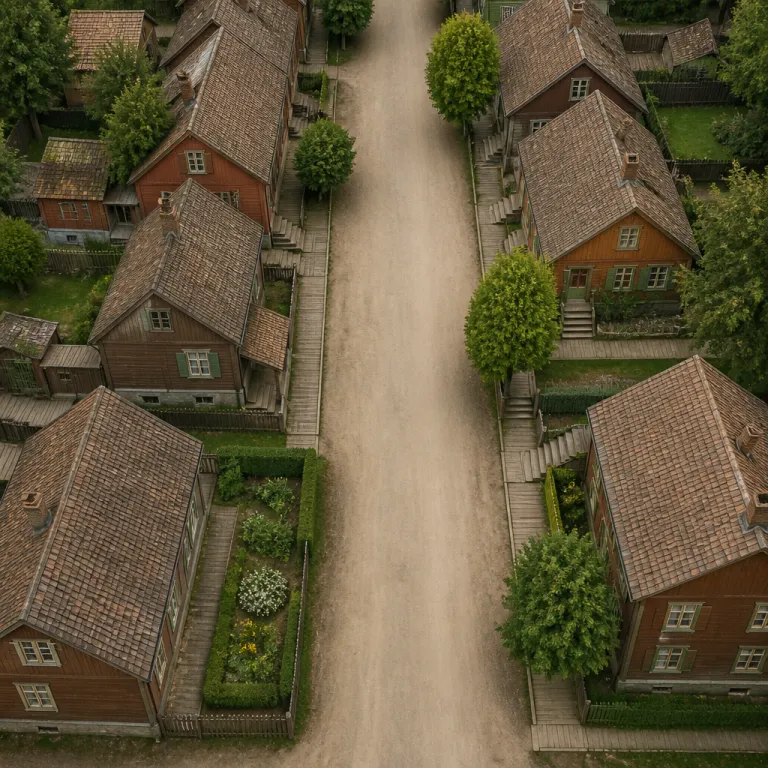
Why Riga’s wooden quarters belong on a luxury city itinerary
Riga is often introduced through its grand art nouveau façades and polished Old Town squares. Yet the wooden quarters that fringe the centre hold a quieter kind of luxury, where preserved timber houses and gardens create a lived in city texture. For a traveler choosing a premium hotel in Latvia, understanding these wooden neighbourhood streets helps you decide whether you want to sleep in the city centre or on the left bank near the Daugava River and its slower rhythm.
Riga has a rich history of wooden buildings, especially in Pārdaugava, dating back to the 17th century. That single fact reshapes how you read the city, because the wooden buildings you pass in a taxi from the airport are not peripheral shacks but part of a layered architectural heritage. When you plan a stay through a luxury focused platform, you can use this knowledge to select properties that sit within walking distance of historic timber streets rather than only near the Jugendstil avenues.
Today, many wooden buildings are preserved and restored to maintain Riga's architectural heritage. Modern preservationists work alongside the legacy of 19th-century residents, ensuring that preserved wooden houses in quarters such as Grīziņkalns or Torņakalns remain structurally sound while keeping their patina. According to figures cited by the Riga City Council and the Latvian National Heritage Board, thousands of historic wooden structures are now listed or monitored, which means you can book a modern five star hotel in the city centre and still reach authentic wooden architecture on foot within fifteen to twenty minutes.
These streets are not museum pieces but functioning residential areas with children’s bikes on porches and laundry lines between wooden buildings. This lived in quality contrasts with the more curated art nouveau belt around Elizabetes iela and Alberta iela, where architecture is the main spectacle and everyday culture feels secondary. Travelers who value contemporary culture often find that a morning in these wooden neighbourhood lanes offers more insight than another hour in a crowded market square, especially when they pause at a local bakery or corner café rather than a landmark restaurant.
From a hospitality perspective, the rise of heritage tourism in Latvia has pushed high end hoteliers to reference wooden architecture in their design narratives. You will see lobby photography of wooden houses in Pārdaugava, or spa menus named after koka mājas, yet the real experience begins when you step beyond the hotel doors. As architect Zaiga Gaile has noted in interviews about wooden Riga, “the real luxury is to walk slowly through these streets and feel how the city breathes.” Planning a dedicated walking day through these quarters allows you to connect the polished story told inside your property with the raw, open air reality of the city outside.
Grīziņkalns and Maskavas forštate: wooden streets on the “other” side of the centre
North east of the city centre, Grīziņkalns offers one of the most concentrated wooden architecture neighbourhoods within easy reach of luxury hotels. From many central properties near Kr. Barona iela or Krišjāņa Valdemāra iela, you can walk there in under twenty minutes, passing from stone buildings into streets lined with wooden houses that lean slightly yet still feel dignified. The shift from ornate façades to century old timber structures is gradual, and that slow transition is exactly what rewards unhurried walking.
Grīziņkalns is in a gentrifying phase, with creative studios, coffee bars and small galleries moving into preserved wooden buildings. You might pass a carpenter’s workshop next to a café pouring natural wine, or a family run shop selling seasonal produce sourced from the city’s markets. For food focused travelers, pairing this walk with a visit to Āgenskalns Market and reading about the Riga market to table movement helps you understand how local culture flows between wooden neighbourhood streets and the wider culinary scene.
Continue east and you reach parts of Maskavas forštate, where wooden houses sit beside brick warehouses and small churches. Here, the architecture tells a more complex story, with some wooden buildings freshly painted and others still waiting for restoration, their façades bearing traces of different eras. Local guides often recommend approaching via Avotu iela and Lāčplēša iela, then turning toward Maskavas iela to see how timber houses, industrial yards and religious buildings overlap within a few blocks.
From a hotel booking standpoint, staying near the city centre rather than inside these districts usually makes sense for comfort and transport. Yet choosing a property close to a tram line that runs toward Grīziņkalns or Maskavas forštate, such as tram 6 or 7 along Avotu iela and Maskavas iela as listed on the Rīgas satiksme network map, keeps these wooden architecture walks within easy reach of your schedule. Ask concierges who know Riga well to mark specific iela names on a map, so you can navigate confidently between restored wooden houses and more modern buildings.
Because these neighbourhoods are not yet saturated with tourism, you will not find a polished hospitality offer on every corner. That is part of their appeal for independent travelers who prefer to return to a high service hotel after a day of exploring raw contemporary culture. Wear comfortable shoes, check the weather forecast and bring a camera, as the play of light on wooden façades and the mix of old and modern details make this one of Riga’s most photogenic walks.
Pārdaugava, Kalnciema Quarter and Ķīpsala: wooden life on the left bank
Cross the river to Pārdaugava and the character of Riga’s wooden quarters shifts again. This left bank district, stretching along the Daugava embankment, is where Riga's 19th-century residents built many of the timber houses that still define the skyline at street level. For luxury travelers staying in central hotels, a short taxi ride or tram journey over the bridge opens up a network of wooden streets that feel worlds away from the polished city centre.
The best known address here is Kalnciema Quarter, a carefully restored ensemble of wooden buildings that now hosts design shops, wine bars and a weekly market. On Saturdays, the open air stalls fill with local producers, and the courtyards sometimes host concerts that bring together families, students and visitors. Local architect groups often describe Kalnciema as “the other centre” of Riga, a phrase that captures how this cluster of wooden houses has become a cultural landmark in its own right.
Step beyond Kalnciema iela itself and you find quieter side streets where preserved wooden houses sit under mature trees. Some façades are freshly painted in Baltic blues and greens, while others show the silvered grain of unvarnished wood, a reminder of how wooden architecture ages in the northern climate. This mix of restored and weathered wooden buildings gives the neighbourhood a layered texture that many guests find more compelling than a single polished art nouveau block.
Further along the Daugava lies Ķīpsala, an island neighbourhood where wooden houses share space with modern glass buildings and a riverside promenade. Here, the proximity to the water and views back to the city’s spires make the walk particularly atmospheric, especially in the long evening light. High end travelers sometimes choose hotels with river views on the central side, then cross to Ķīpsala for a late afternoon stroll through streets that show how contemporary culture and wooden heritage can coexist.
For those considering a stay on the left bank, a few premium properties and guesthouses now occupy renovated wooden buildings in Pārdaugava. These options suit travelers who value immersion in local culture over immediate access to every city centre restaurant. When booking, look for descriptions that reference wooden architecture, Kalnciema Quarter or Ķīpsala, as these signals usually indicate a location embedded in Riga’s most characterful wooden neighbourhoods.
Reading Riga’s wooden architecture against its art nouveau belt
Most luxury itineraries in Riga start with the famous art nouveau belt around Alberta iela and Elizabetes iela. Those streets, with their sculpted façades and elaborate balconies, are essential, yet they tell only part of the city’s architectural story. The wooden architecture of Riga offers a counterpoint, where the scale is smaller, the ornament is simpler and the connection to everyday life feels stronger.
Art nouveau in Riga, often called Jugendstil, arrived as the city grew wealthy and confident, and its stone buildings project that ambition. Wooden houses, by contrast, were the work of 19th-century residents building practical homes in areas like Pārdaugava and Grīziņkalns, often with modest decorative flourishes. Walking from the grandeur of Krišjāņa Valdemāra iela toward the wooden streets of Torņakalns lets you feel this shift in your body, not just see it on postcards.
For travelers, the key is not to choose between art nouveau and wooden architecture but to understand how they interact. Many premium hotels cluster near Valdemāra iela and the city’s art nouveau core, which makes sense for access to museums, restaurants and the business district. Yet dedicating a full day to wooden neighbourhoods balances your experience, grounding the polished city centre in the more intimate scale of timber buildings and gardens.
From a cultural perspective, these wooden quarters are where contemporary culture often experiments first, precisely because the rents are lower and the buildings more flexible. You will find creative studios, small theatres and community spaces in preserved wooden houses that would be impossible to adapt in a protected art nouveau palace. This dynamic makes the wooden streets ideal for solo travelers who like to drift between architecture, cafés and informal cultural events.
Heritage organizations and local museums now use interactive digital guides, maps and audio tours to help visitors navigate both the art nouveau centre and the wooden quarters. The Latvian National Heritage Board notes that Riga has one of the largest collections of historic wooden buildings in Northern Europe, and city backed initiatives encourage owners to restore façades rather than replace them. Methods such as guided visits, cultural events and open air festivals all support the broader goal of raising awareness and promoting tourism that respects Riga’s architectural heritage.
Planning your wooden Riga walking day from a luxury hotel base
Designing a full day around the wooden quarters of Riga is surprisingly straightforward from a central luxury hotel. Start in the city centre with a short tram ride across the river to Pārdaugava, where you can explore Kalnciema Quarter and nearby wooden streets in the morning. After a leisurely lunch, continue toward Ķīpsala or return across the Daugava to walk Grīziņkalns or Maskavas forštate in the softer afternoon light.
With around 4 000 wooden structures recorded in Riga, according to data cited by the Riga City Council and the Latvian National Heritage Board, you will not see everything in one day, but you can curate a route that reflects your interests. Architecture enthusiasts might focus on the most intact ensembles of 19th-century wooden houses, while food lovers weave in markets and cafés that showcase local culture. For those planning wider excursions beyond the capital, the itineraries in the discerning traveler’s day trip atlas from Riga pair well with a wooden streets day, giving you both urban and rural perspectives on Latvia.
When choosing where to stay, consider how each property connects you to these experiences rather than only to the Old Town. A hotel near Valdemāra iela or Krišjāņa Valdemāra iela offers quick access to both the art nouveau centre and tram lines toward the left bank wooden quarters. Properties on the riverfront give you immediate views of the Daugava and easy crossings to Pārdaugava, where wooden buildings and contemporary culture sit side by side.
Practicalities matter on a walking intensive day, even for luxury travelers. Wear comfortable shoes, check the weather forecast and bring a camera, as the textures of wooden façades and the play of light in open air courtyards are endlessly photogenic. Many visitors also appreciate having a printed map or an offline digital guide, since some wooden neighbourhood streets sit just beyond the densest mobile coverage and signage.
Finally, remember that these are residential areas first and heritage sites second. Move quietly, avoid photographing people without permission and support local businesses, whether that means a coffee in a small café or a purchase at a neighbourhood market stall. This respectful approach ensures that Riga’s preserved wooden quarters remain welcoming to travelers while continuing to function as living, breathing parts of the city.
FAQ
Why is Riga known for wooden architecture?
Riga is known for wooden architecture because large parts of the city, especially Pārdaugava on the left bank of the Daugava River, developed as wooden neighbourhoods from the 17th century onward. These areas contain thousands of wooden houses and other timber buildings that survived industrialization and war. Today, they form one of the most significant ensembles of wooden architecture in Northern Europe.
What is Pārdaugava and why should travelers go there?
Pārdaugava is the broad district of Riga located on the left bank of the Daugava River, opposite the historic city centre. It is known for its preserved wooden houses, especially around Kalnciema Quarter and Ķīpsala, as well as for a more local, residential atmosphere. Travelers interested in culture, architecture and quieter streets will find that Pārdaugava offers some of the most rewarding walking routes in the city.
Are the wooden buildings in Riga preserved or at risk?
Many wooden buildings in Riga are now protected and undergoing careful restoration, supported by local museums, cultural organizations and city authorities. At the same time, some structures remain in fragile condition, which is why heritage tourism and responsible visiting are important. By joining guided tours and supporting local initiatives, travelers contribute to ongoing preservation efforts.
How can I explore Riga’s wooden neighborhoods in one day?
A practical one day route starts from a central hotel, then crosses to Pārdaugava for a morning in Kalnciema Quarter and nearby streets, followed by a walk through Ķīpsala. In the afternoon, you can return to the city centre and continue toward Grīziņkalns or parts of Maskavas forštate to see a different side of wooden Riga. Using maps, audio guides or interactive digital tools makes it easy to navigate between these quarters.
Do I need a guided tour to appreciate the wooden architecture?
A guided tour is not essential but can significantly deepen your understanding of construction techniques, historical context and current preservation work. Guides often point out details in the architecture that casual visitors might miss, such as original carvings or subtle changes in building regulations over time. Independent travelers can combine a short guided walk with self guided exploration for a flexible yet informed experience.