Why Āgenskalns Market matters for luxury travelers in Riga
On the left bank of the Daugava River, Riga quietly rewrites its food story at Āgenskalns Market. Away from the postcard spires of the Old Town, this riga food market agenskalns narrative is reshaping how high end travelers taste Latvia in a single morning. The result is a city experience where your hotel breakfast, your tasting menu and your stroll through a historical pavilion are all linked by the same producers.
The market located in the Zemgale suburb sits on Nometņu iela, a residential street where trams hum past wooden houses and Art Nouveau fragments. This is not the market largest in Riga by square metres, yet its scale feels human and its rhythm shaped by local life rather than tour groups. When you read hotel descriptions promising an authentic taste Latvia moment, this is often the building that quietly underpins those promises.
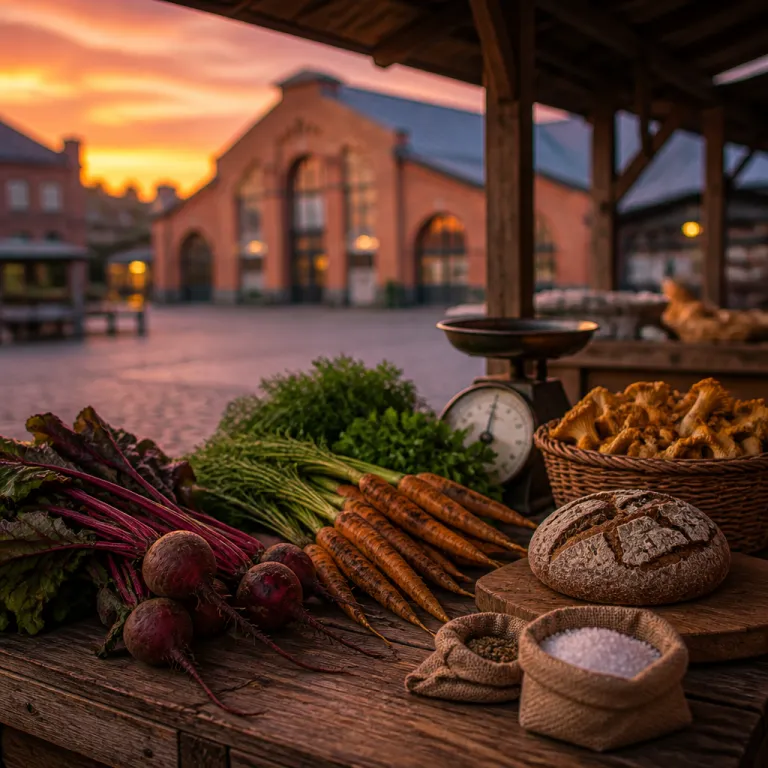
Opened in the early century in a striking red brick historical pavilion, Āgenskalns Market has regained original architectural grace after careful restoration. Locals still call it Agenskalna tirgus, and the market pavilion now blends heritage arches with glass, light and a curated mix of food and cultural events. For travelers choosing premium hotels in Riga, understanding this market riga ecosystem is the key to understanding why menus feel so rooted in place.
Inside the pavilion: how chefs shop before you wake up
By the time many guests leave their city hotels for breakfast, local chefs have already crossed the river to this market agenskalns hub. They move quickly through the ground floor, greeting vendors by name and checking which fresh produce has arrived from farms across Latvia overnight. This is the quiet engine of Riga years of culinary evolution, and it happens long before the first latte is poured in the Old Town.
The market located at Nometņu iela 64 is easy to reach by public transport, yet the atmosphere at opening still feels almost private. According to the official guidance, “Chefs visit Āgenskalns Market early to obtain the freshest produce before crowds arrive.” That simple routine underpins the entire market-to-table movement, where direct purchasing and personal selection replace anonymous wholesale deliveries.
On the left side of the historical pavilion, you will often see buyers from Michelin listed dining rooms in Riga comparing chanterelles, tasting cream and discussing the weather with farmers. They are not browsing markets as tourists ; they are negotiating flavour, texture and consistency for tonight’s food drink pairings. If you plan a refined stay using a detailed Riga hotel guide for a central base, time your visit to watch this choreography unfold.
From market floor to hotel table: how luxury kitchens use Āgenskalns
What happens between a crate of berries on the market floor and the plated dessert in your hotel restaurant is where Riga’s market-to-table movement becomes tangible. Local chefs trained abroad return to Latvia and build menus that start with conversations at Agenskalna tirgus rather than with imported catalogues. The aim is simple yet ambitious ; to let guests taste Latvia through ingredients that have travelled fewer kilometres than they have.
On the ground floor of the market pavilion, you will find fresh produce that later anchors tasting menus in properties across the city. Dairy from small farms, rye bread still warm, smoked fish and foraged herbs all move from stall to kitchen within hours, not days. When you sit down to food drink pairings in a refined hotel dining room, you are often tasting the same food that passed through this building earlier that morning.
Some of Riga’s most interesting hotel kitchens now structure their purchasing calendars around the rhythm of this market riga institution. They use the second floor of the pavilion, where co creation and educational events sometimes take place, to meet producers and plan seasonal collaborations. If you book a stay through a curated collection such as the refined hotels in the heart of Riga, ask which dishes on the menu are sourced directly from Āgenskalns Market that week.
How to eat at Āgenskalns like a chef, not a tourist
Arrive just after opening if you want to share the aisles with Riga’s chefs rather than tour groups. Start on the ground floor, where the main food hall stretches beneath the restored arches of the historical pavilion and the air smells of coffee, dill and smoked meat. This is the best moment to read stall signs slowly, watch what local shoppers choose and build your own riga food market agenskalns tasting route.
Begin at a dairy counter, then move left toward bakers stacking loaves of dense rye that truly let you taste Latvia in every slice. Continue to the fresh produce stands, where early century farming traditions still shape what appears on the tables each season. Ask vendors about their farms in different parts of Latvia, and you will quickly understand how this market located in a single city connects to a much wider landscape.
For a casual lunch, follow the scent of street food to the cluster of stalls serving modern takes on Latvian classics. You might try street food dumplings with forest mushrooms, or open sandwiches layered with smoked fish and pickles, all paired with natural drinks from small producers. Before you leave, walk the second floor to see how design, food and occasional educational events turn this market agenskalns space into more than a place to shop.
Beyond the market: building a gastronomic itinerary around Āgenskalns
Āgenskalns Market is a strong anchor for any gastronomic stay in Riga, but it should not be the only stop on your itinerary. Use one morning here to understand the ingredients, then spend the evening in a hotel dining room where those same flavours are translated into refined plates. This is how the riga food market agenskalns connection becomes a full day experience rather than a quick photo stop.
Plan at least two nights in the city so you can pair market visits with dinners at restaurants that champion the same producers. Some chefs now host educational events or co creation dinners, inviting farmers from Agenskalna tirgus to speak about their work and the challenges of Latvia’s short growing season. Ask your concierge which events align with your dates, and which menus currently highlight preserved, smoked or fermented ingredients shaped by those climatic realities.
If your trip extends beyond Riga, consider balancing the urban market pavilion energy with a coastal interlude. A refined stay by the Baltic Sea, such as those highlighted in this guide to coastal elegance in Jūrmala, offers another angle on how Latvians eat and relax. Returning to the city after sea air and spa rituals, you will taste Latvia differently when you next walk through the building at Nometņu iela and choose what to eat on the ground floor or the second floor.
Practical tips: getting to Āgenskalns Market and reading it like a local
Reaching Āgenskalns Market from central Riga is straightforward, even for first time visitors. Several tram and bus lines cross the river, and public transport stops within a short walk of the pavilion on Nometņu iela. The journey takes only a few minutes, yet it shifts you from postcard city views to a neighbourhood where markets still feel woven into daily life.
When you arrive, pause outside to read the façade and appreciate how the building has regained original details through careful restoration. The early century brickwork, tall windows and arches signal that this is more than a simple food hall. Step inside, and you will see how the historical pavilion now hosts a layered experience of food, drink, culture and community events across its different levels.
Use the left side of the ground floor for quick street food snacks, then move deeper into the aisles to explore fresh produce and pantry goods from across Latvia. Climb to the second floor to understand how Riga years of culinary change have turned Agenskalna tirgus into a platform for educational events and creative projects. Read stall names, ask questions and taste generously ; this is the most direct way to connect your luxury hotel stay with the everyday flavours that define Latvia today.
FAQ
What is the market to table movement in Riga?
The market to table movement in Riga refers to chefs sourcing ingredients directly from places like Āgenskalns Market instead of relying on distant wholesalers. This approach ensures fresher food, supports local farmers and allows guests to taste Latvia through seasonal produce. It also strengthens relationships between restaurants, markets and the wider community.
Why do chefs visit Āgenskalns Market so early in the day?
Chefs arrive early at Agenskalna tirgus to secure the best fresh produce before the main crowds. Early visits allow them to talk calmly with vendors, compare quality and plan menus around what is truly at its peak. This timing is crucial for high end kitchens that build nightly menus around the day’s market riga offerings.
What kind of products can I expect to find at Āgenskalns Market?
You will find a wide range of food and drink, from dairy, bread and coffee to vegetables, berries and smoked fish. Many stalls specialise in regional Latvian products, including preserves, pickles and forest mushrooms. Street food counters and small eateries complement the fresh produce with ready to eat dishes.
How do I reach Āgenskalns Market from central Riga hotels?
From most central hotels in the city, you can reach the market located on Nometņu iela by tram or bus in a short ride. Public transport runs frequently across the river, and stops are a brief walk from the pavilion entrance. Taxis and ride hailing services are also inexpensive for couples carrying shopping bags.
When is the best time for travelers to visit Āgenskalns Market?
The best time for travelers is usually in the morning, shortly after opening, when stalls are full and chefs are still finishing their rounds. This window lets you experience the authentic rhythm of the market agenskalns scene without the heaviest crowds. Late afternoon can be pleasant for a relaxed snack, but some fresh produce may already be sold out.