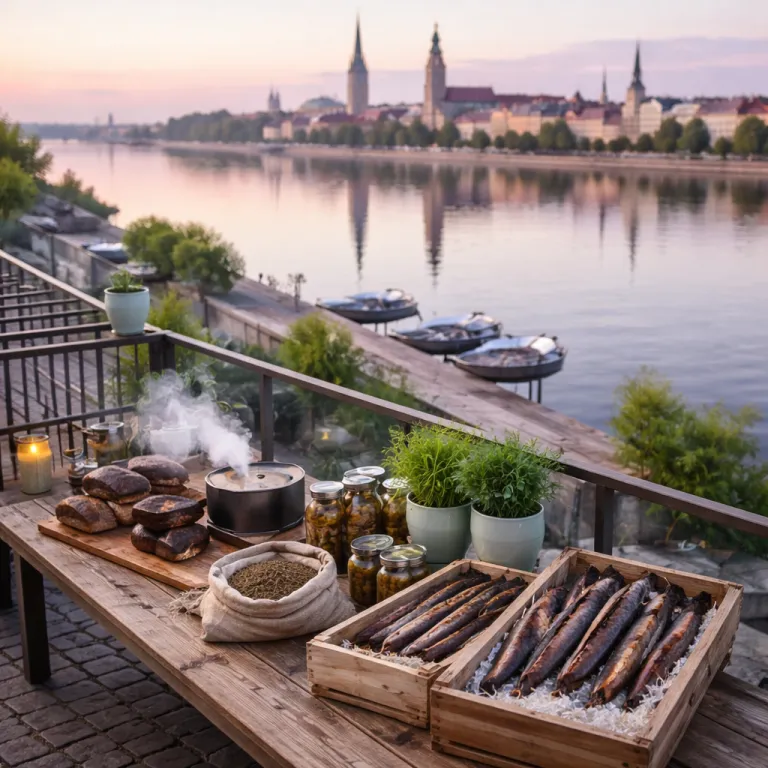
From market stall to white tablecloth: where Latvian cuisine restaurants in Riga begin
Riga feels most honest at the counter of a smoked fish stall in the Central Market, where a vendor presses a sliver of eel into your hand before you can protest. In this vast 20th century zeppelin hall, smoked eel, rye bread and caraway seeds are not nostalgic props but working ingredients that still shape what Latvians call everyday food, and they quietly underpin the most ambitious tasting menus in town. For couples booking a luxury stay in Riga, understanding this link between market and Michelin is the key to choosing both the right hotel and the right Latvian dining rooms in the city for a memorable evening.
Smoked eel has long been a coastal survival food in Latvia, cured and smoked over alder or apple wood until the meat turns silky and deeply aromatic, and that same technique now appears on plates that look more Copenhagen than countryside. One expert explanation from local culinary guides still holds true for visitors who want to read the menu with confidence: "How is smoked eel prepared?" and the answer remains precise — "Eel is cured and smoked over wood chips." When you plan where to eat in Riga, look for restaurants that name their fishermen and farmers on the menu, because those addresses usually signal a kitchen that treats traditional Latvian ingredients with contemporary respect and seasonal discipline.
Luxury travelers often ask whether to stay near Old Town or closer to the Art Nouveau quarter when planning a foodie guide to the city’s dining scene. If your priority is walking from your hotel to both the Central Market and the best Latvian food restaurants, a refined property near the river or Riga Central Station works beautifully, and you can shortlist options using a detailed neighbourhood map for discerning travellers on where to stay in Riga. From there, every evening becomes a short stroll to a different restaurant, a different wine list and a different interpretation of the same Latvian pantry.
Smoked eel and the Baltic shoreline on a plate
Smoked eel is the quiet star of many Latvian cuisine restaurants in Riga, even when it appears only as a single bite on a long tasting menu. The tradition comes from the Baltic shoreline, where fishermen preserved their catch over smouldering wood, and that same technique now lets Riga’s chefs build delicate contrasts between rich meat, sharp pickles and fragrant herbs. For couples staying in refined Riga hotels, this one ingredient can anchor an entire evening, from the first snack at the bar to the final savoury course before dessert.
At Max Cekot Kitchen, set in an industrial quarter a short drive from central Riga, a ten course garden to table menu might open with a wafer of rye bread topped with smoked eel, fermented vegetables and a whisper of caraway. The restaurant, led by chef Maksims Cekots and listed in the Michelin Guide, works closely with local farmers and fishermen, so the food feels both traditional and quietly radical, and the wine list leans toward small European producers that match the Baltic salinity. When you compare prices, a tasting menu of this calibre in Riga often costs around €120–€150 per person, roughly two to three times less than in Stockholm or Copenhagen, which makes it one of the best options in Europe for serious food travelers.
In the Old Town, some restaurants near Kaļķu iela and the historic Kaļķu vārti gateway reinterpret smoked eel in more classical surroundings, pairing it with chilled beetroot soups, roasted root vegetables or even dairy products such as cultured sour cream. A thoughtful foodie can move from one restaurant to another over several nights, tasting how each chef balances smoke, fat and acidity while keeping the essence of traditional Latvian food intact. If you want hotel recommendations that place you within walking distance of these addresses, consult our curated list of Riga Latvia hotels for discerning travellers before you book.
Rye bread, black bread and the sweet side of the Latvian table
Latvian rye bread, often called black bread, is more than a side dish in Riga; it is a cultural anchor that follows you from breakfast buffets in luxury hotels to the final course of a tasting menu. One concise definition still helps visitors understand what they are eating when they read a menu in central Riga: "What is black bread?" and the answer remains clear — "A dense, dark rye bread traditional in Latvia." When chefs in Latvian cuisine restaurants in Riga turn this everyday loaf into dessert, they are not being playful for its own sake, they are translating memory into something a traveling couple can taste together.
The classic dessert, rupjmaizes kārtojums, layers crumbled rye bread with whipped cream, berries and sometimes a touch of Riga Black Balsam, the herbal liqueur that appears in many bars and restaurants across Latvia. In contemporary kitchens, this becomes an elegant deconstruction, perhaps a rye bread crumb with cultured dairy products, a sorbet of seasonal fruit and a black magic chocolate shard scented with caraway. When you eat Riga desserts at this level, you start to see how a single loaf of bread can move from breakfast table to fine dining plate without losing its traditional soul.
Some of the best examples hide in plain sight near Kaļķu iela, where a restaurant might serve a pre dessert of toasted rye bread ice cream with sour cream foam, or in a quieter dining room off Gertrūdes iela, where a chef uses black bread to add texture to a delicate cheese course. For travelers choosing where to stay, a hotel near Riga Central or the Art Nouveau district lets you walk to both these addresses in a single evening, turning your own foodie guide into a gentle city stroll. To plan that route with precision, use our neighbourhood level overview on Riga neighbourhood map for discerning travellers and match each area to the restaurants you most want to try.
Caraway, black balsam and the Latvian aromatic palette
Caraway is the quiet thread that runs through much of Latvian cuisine, from cheese and bread to soups and even desserts in the more inventive Latvian cuisine restaurants in Riga. Visitors often meet it first in a slice of caraway studded cheese at breakfast, then again in a piece of rye bread at lunch, and finally in a sauce or crumb on a tasting menu in a fine restaurant. For couples who enjoy tracing flavours across a trip, this single spice becomes a subtle guide to how traditional Latvian food has evolved without losing its character.
One frequently asked question from curious diners is simple: "What dishes feature caraway?" and the answer remains reassuringly broad — "Caraway seeds are used in bread, cheese, and soups." In Riga, chefs extend that list to include emulsions for grilled meat, aromatic oils for vegetables and even infusions that echo the herbal complexity of Riga Black Balsam in a dessert course. When you read a menu in central Riga, look for caraway paired with local dairy products, because that combination often signals a kitchen that understands the deeper grammar of Latvian cuisine rather than just its surface symbols.
Cocktail bars and restaurants near Kaļķu iela sometimes play with a black magic theme, using Black Balsam, smoked elements and dark bread crumbs to create moody, theatrical plates that still taste grounded and delicious. In more restrained dining rooms along Gertrūdes iela, caraway might appear as a barely there note in a sauce for river fish, or as a perfumed oil drizzled over roasted root vegetables, showing how food in Riga can be both comforting and quietly avant garde. When you plan where to eat in Riga, balance one evening of drama with another of calm, and let this aromatic palette guide your reservations as carefully as any formal foodie guide.
Three tables, one pantry: how Riga turns tradition into tasting menus
For a couple planning a romantic stay focused on Latvian cuisine restaurants in Riga, it helps to think in terms of three complementary tables rather than a single best restaurant. The first might be Max Cekot Kitchen, where a long menu traces smoked eel, rye bread and caraway from snack to final bite, and where the address feels like a secret shared only with those willing to leave the postcard streets of the city. The second could be a refined dining room near Kaļķu vārti, where the menu leans more classical, the wine list is deep and the service style suits guests coming from luxury hotels in Riga Central after a day of exploring.
The third table often hides in a residential street such as Gertrūdes iela, where a chef runs a smaller restaurant that blends Latvian food with Nordic technique, serving fewer courses but with the same attention to seasonal produce and traditional flavours. Across these three restaurants, you will taste smoked eel in different textures, black bread in both savoury and sweet forms, and caraway moving from background note to leading role, which makes the experience a living foodie guide to Riga, Latvia. Because the cost of such menus in Latvia remains significantly lower than in many Western European capitals, you can comfortably book several evenings of serious food without sacrificing your hotel budget.
When you plan your stay, choose a hotel whose concierge understands the Riga dining scene and can secure reservations at these addresses, especially on weekends when the best restaurants fill quickly. With around one thousand restaurants in the city overall, and dozens of Michelin recommended kitchens, the challenge is not finding somewhere to eat but choosing the few that align with your taste, your time and your appetite for traditional Latvian flavours reimagined. Approach the city as a pantry rather than a checklist, and let smoked eel, rye bread and caraway lead you from market stall to white tablecloth and back again.
Practical tips for pairing Riga’s luxury stays with serious Latvian food
Planning a trip around Latvian cuisine restaurants in Riga works best when you map meals and hotels together rather than treating them as separate decisions. If you stay near Riga Central, you can walk to the Central Market in the morning, taste smoked fish and black bread at the source, then return in the evening to nearby restaurants that turn those same ingredients into tasting menus. Couples who prefer quieter streets might choose a property near Gertrūdes iela, trading immediate access to Old Town for easier walks to chef driven restaurants and wine focused bars.
When you read restaurant websites, pay attention to how they describe their relationship with local farmers, fishermen and artisans, because that language often signals a serious approach to traditional Latvian ingredients. Look for menus that mention rye bread, smoked eel, caraway and seasonal dairy products, and for wine lists that offer thoughtful pairings rather than just international labels, as these details usually indicate kitchens that treat Latvian cuisine as a living craft. Reserve tables in advance, especially for tasting menus, and consider planning one long dinner for every two nights in Riga, leaving space for lighter meals built around soup, salad and simple meat or fish.
For lunch, use more casual restaurants near Kaļķu iela or the riverfront to sample Latvian food in simpler forms, such as open sandwiches on rye bread, hearty soups finished with sour cream or grilled meat with caraway scented potatoes. These meals help you understand the baseline of food in Riga before you sit down to more elaborate menus in the evening, and they make the tasting menu experience feel connected rather than abstract. With thoughtful planning, your stay in central Riga becomes a coherent narrative, where every address, every restaurant and every slice of bread contributes to a deeper sense of place.
FAQ
Where should I stay in Riga for easy access to top Latvian restaurants?
For most couples focused on Latvian cuisine restaurants in Riga, staying near Riga Central or the edge of Old Town offers the best balance between atmosphere and access. From these areas you can walk to the Central Market, to restaurants near Kaļķu iela and Kaļķu vārti, and to several chef driven dining rooms along Gertrūdes iela. Luxury hotels in these neighbourhoods also tend to have concierges who understand the local food scene and can help with reservations.
How far in advance should I book tasting menus in Riga?
For the most sought after Latvian cuisine restaurants in Riga, especially those offering long tasting menus such as Max Cekot Kitchen, booking at least one to two weeks ahead is wise. Weekends and holiday periods fill quickly, particularly for prime time seatings between 19.00 and 20.30. If your schedule is flexible, midweek evenings often offer more choice and a slightly calmer dining room.
Is Latvian cuisine suitable for vegetarians or pescatarians?
Traditional Latvian food leans heavily on meat, fish and dairy products, but many contemporary restaurants in Riga now offer vegetarian or pescatarian tasting menus. Smoked fish, seasonal vegetables, grains and rye bread provide a strong base for these menus, and caraway, herbs and pickles add aromatic complexity. When you reserve, mention your preferences so the restaurant can plan a coherent menu rather than improvising on the night.
How does the price of a tasting menu in Riga compare to other European capitals?
In Riga, Latvia, a multi course tasting menu at a Michelin recommended restaurant typically costs two to three times less than a comparable experience in cities such as Copenhagen or Stockholm. This price difference reflects both local cost structures and the relative youth of the fine dining scene, not a compromise on technique or ingredient quality. For luxury travelers, that means you can allocate more of your budget to hotels, wine or additional experiences without sacrificing culinary ambition.
What traditional Latvian ingredients should I look for on menus?
Key ingredients that define Latvian cuisine include smoked eel, rye bread or black bread, caraway seeds, seasonal root vegetables, forest mushrooms and a wide range of dairy products such as sour cream and fresh cheeses. In Latvian cuisine restaurants in Riga, these elements appear in both traditional dishes and modern interpretations, from simple soups to elaborate desserts. When you see these ingredients on a menu, you are likely in a restaurant that takes the local pantry seriously.