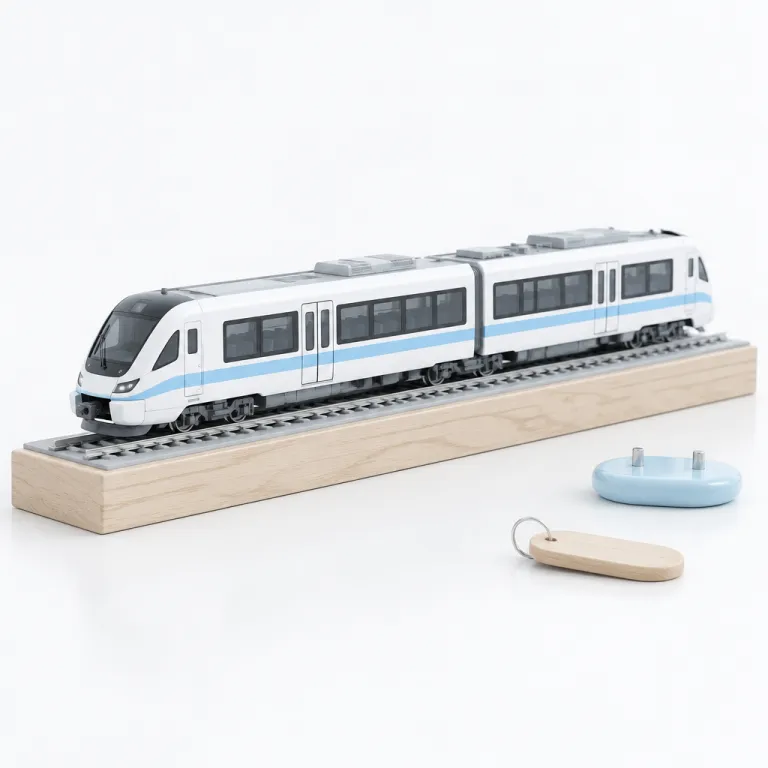
Riga–Cēsis electric train Latvia: how BEMU rail reshapes luxury travel
Riga–Cēsis by BEMU: what Latvia’s new electric era means for luxury travellers
The phrase “riga cesis electric train latvia” sounds technical, yet it signals a profound shift for high-end travel. On the Riga–Cēsis corridor, new battery electric multiple units, often called BEMU trains, will replace aging diesel trains and quietly redraw the map for sustainable escapes. For business leisure travellers used to private transfers, this new train experience in Latvia will feel closer to a first-class rail lounge than to traditional regional transport.
Latvia’s train procurement programme is led by the national passenger operator Pasažieru vilciens and the transport administration responsible for both rail and road transport policy. Through a competitive tender concluded in 2024, the contracting authority selected Škoda Group and its Škoda Vagonka division to supply nine battery trains, with an option for more rolling stock if demand and routes from Riga justify expansion. According to the official procurement announcement and Ministry of Transport press releases, the contract value, supported by the Latvian state and the European Union Cohesion Fund, underlines how seriously the country treats sustainable public transport as part of its wider Baltic mobility strategy.
These new electric trains are designed for non‑electrified rail lines, so the battery electric technology allows them to glide out of Riga Central Station without overhead wires. On the upgraded Riga–Cēsis regional rail route, the BEMU units will charge at key points using dedicated charging infrastructure, then run quietly through Gauja National Park where diesel trains once echoed in the valleys. For travellers, this means cleaner air, less vibration and a calmer soundscape that pairs beautifully with a stay in a riverside spa hotel or a design‑forward property in Cēsis’ old town.
From a hospitality perspective, the shift from diesel to battery trains changes how you plan your stay. Instead of budgeting for a private car and driver, you can rely on frequent passenger trains that connect central Riga hotels directly with Cēsis in around one and a half hours. For executives extending a Riga meeting into a weekend, the new electric connection between Riga and Cēsis turns a once logistical chore into a seamless, low‑carbon prelude to check in, whether you are heading for a manor house in the forest or a contemporary art‑led property near the castle ruins.
Inside the BEMU: comfort, service and what passengers can expect
Think of the new Riga–Cēsis battery electric train as a rolling lounge rather than a simple train. Passenger services on this corridor will feature wide doors, level boarding and generous luggage space, which matters when you are arriving from an intercontinental flight with hard cases and garment bags. The BEMU trains will also offer quiet zones and modern climate control, creating a stable, comfortable environment in both Baltic winter and the softer light of June evenings.
Škoda Group, working through Škoda Vagonka, has long experience in designing electric trains for Central and Eastern Europe, and that expertise shows in the interior layouts planned for Latvia. The rolling stock ordered through this tender is expected to include power outlets, Wi‑Fi and clear digital news displays, so you can track train delays, connecting routes from Riga or live Baltic news headlines while you sip coffee. For travellers who treat the Riga–Cēsis electric rail journey as part of their workday, this effectively turns the carriage into a mobile office between meetings and check in.
Latvian transport administration officials have been clear that these BEMU trains will raise the bar for public transport standards. The trains will accelerate faster than the old diesel trains, which shortens dwell times at intermediate stations and makes the overall rail journey more punctual and predictable. For hotel guests, that reliability means you can schedule spa appointments, restaurant reservations or private transfers from Cēsis station with confidence that passenger trains will arrive within a narrow time window.
Operationally, the battery electric system allows the operator to reduce fuel costs and emissions while maintaining flexibility on non‑electrified rail segments. Charging infrastructure at termini and selected intermediate points will top up the battery trains between runs; public planning documents indicate a range on battery power that is sufficient for regional routes such as Riga–Cēsis, with rapid charging cycles designed to fit standard turn‑around times. As a result, the Riga–Cēsis service can maintain a regular interval timetable without resorting to backup diesel locomotives. For travellers who track their carbon footprint as closely as their loyalty points, this is the kind of quiet innovation that makes Latvia’s rail network feel aligned with the best European standards.
As Latvia refines its train procurement strategy, there is already discussion of a possible second round of BEMU trains if demand on routes from Riga continues to grow. That would extend the same level of comfort and sustainability to other corridors, complementing future Rail Baltica services that will link the Baltic capitals with continental Europe. For those considering side trips beyond Gauja, our guide to staying in Liepāja before the spotlight as Latvia’s next cultural capital offers a useful benchmark for how regional cities are preparing for this new era of rail‑connected luxury travel; you can explore that perspective in more depth on our dedicated Liepāja article at mylatviastay.com.
The Riga–Cēsis window seat: landscapes, timing and hotel-friendly schedules
From the moment the train glides out of Riga Central Station, the upgraded electric service to Cēsis feels different from a highway transfer. Within minutes, the urban fabric of Riga gives way to allotment gardens, pine stands and glimpses of the Daugava River, a gentle prelude to the wilder scenery ahead. For travellers staying in central Riga hotels, the convenience of walking or taking short road transport rides to the station, then boarding a quiet BEMU, is a marked upgrade over navigating rental car queues.
As the train heads northeast, the rail line threads into Gauja National Park, where the river carves sandstone cliffs and birch forests frame the view. On this stretch, the absence of diesel trains is more than an engineering detail; it is a sensory shift, with battery electric traction reducing noise so you can actually hear the wind in the trees when doors open at rural stops. Many passengers time their journeys for late afternoon, when the low Baltic light washes the meadows in gold before the train eases into Cēsis station.
Typical passenger trains on this corridor take around ninety minutes, making the route ideal for a day trip or a relaxed transfer between hotels in Riga and Cēsis. During the main season, planners expect departures roughly every one to two hours, with more limited frequencies early in the morning and late at night. Because the BEMU trains will be part of the same integrated public transport system as city trams and buses, a single ticket can often cover both the urban and intercity legs of your journey. That simplicity matters when you are juggling check out times, late lunches and perhaps a kayaking reservation on the Gauja River arranged through your hotel concierge.
For those planning multi‑stop itineraries, the electric Riga–Cēsis connection dovetails neatly with other scenic routes from the capital. Our discerning traveller’s day trip atlas from Riga to Sigulda, Kuldīga and the Gauja River, available on mylatviastay.com, outlines how to pair rail journeys with high‑calibre rural stays and spa properties. As Rail Baltica gradually reshapes long‑distance rail across the Baltic region, these shorter BEMU‑powered segments will feel like the refined, local counterpoint to high‑speed international services.
Designing a car-free Gauja itinerary: trains, trails and riverside retreats
For sustainability‑minded travellers, the real power of the Riga–Cēsis electric train route lies in how it unlocks a fully car‑free Gauja itinerary. You can leave Riga’s business district after a morning of meetings, roll your suitcase onto a BEMU train and be checking into a forest lodge near Cēsis before dinner. That shift from road transport to rail is not only lower carbon; it is also more aligned with the slow‑travel ethos that Latvia’s top rural properties increasingly embrace.
Once in Cēsis, many hotels and guesthouses arrange transfers from the station using electric vehicles or short shuttle rides, keeping the last‑kilometre footprint modest. From there, you can combine hiking, cycling and kayaking without ever renting a car, using passenger trains on routes from Riga as your spine and local trails as your limbs. In practice, that might mean a morning paddle on the Gauja, an afternoon sauna ritual back at your lodge and an evening train return to Riga, all without touching a steering wheel.
Latvia’s investment in charging infrastructure for both battery trains and road vehicles supports this kind of integrated, low‑emission itinerary. While BEMU trains recharge at termini, visitors can rent e‑bikes in Cēsis or Sigulda and follow well‑marked paths through the park, then rejoin the rail network for the return leg. For those who like to track sustainability metrics, the combination of battery electric rail, short electric road transfers and human‑powered activities offers a compelling alternative to traditional car‑based touring.
Hotel concierges in Riga are increasingly fluent in this new transport landscape and can advise on train schedules, potential train delays and the best cabins for quiet work or uninterrupted views. As one five‑star concierge in Riga put it, “Our guests now treat the Riga–Cēsis train as an extension of the lobby lounge — they expect Wi‑Fi, calm and a glass of wine waiting at check‑in when they arrive.” Some high‑end properties even coordinate with Pasažieru vilciens updates and Baltic news outlets to anticipate disruptions on the rail network, then adjust transfer times or spa bookings accordingly. As Latvia’s news cycle continues to highlight the shift from diesel trains to battery units, expect more hotels to weave the electric Riga–Cēsis experience directly into their suggested itineraries and room packages.
From Riga’s streets to Rail Baltica: how urban mobility and long-distance rail align
Riga’s transformation is not limited to the rails; the city itself is rebalancing how people move. New 30 kilometre per hour zones, expanded bike lanes and planned trails linking Riga to the Jūrmala seaside mean that many hotel guests now arrive at the station by bicycle or on foot rather than by taxi. For a business leisure traveller, that makes the transition from a morning espresso in a quiet lobby to a seat on the Riga–Cēsis regional train service feel almost frictionless.
These urban changes sit alongside the broader Rail Baltica project, which will eventually connect the Baltic capitals with Warsaw and beyond through high‑speed rail. While Rail Baltica will handle long‑distance flows, the BEMU trains on routes from Riga to Cēsis and Daugavpils will act as refined feeders, bringing passengers from regional towns into the international network. In practice, that means you could land in Riga, hold meetings, then continue by train to Vilnius or Tallinn, with a zero‑emission Gauja interlude woven into the same rail‑based itinerary.
Latvia’s transport administration and road transport directorate have framed these investments as part of a single, coherent mobility strategy. In their official guidance, they emphasise three simple habits for travellers using the new trains: “Check schedules before travel. Purchase tickets in advance. Arrive early at the station.” For luxury hotel guests, concierges can easily absorb those steps into their standard pre‑arrival emails, ensuring that the Riga–Cēsis electric rail segment feels as curated as a private transfer.
On the procurement side, the decision to purchase battery electric rolling stock through a transparent tender reflects Latvia’s commitment to both sustainability and good governance. The contract with Škoda Group covers nine BEMU trains, with delivery scheduled to be completed by 2029, and is co‑financed by the EU Cohesion Fund and national resources, as confirmed in official Pasažieru vilciens and Ministry of Transport press releases. As Baltic news outlets track each delivery milestone and discuss the possibility of a second round of train procurement, travellers can expect the quiet revolution that began on the Riga–Cēsis line to ripple across more of Latvia’s rail map, bringing high‑quality, low‑emission access to an ever wider circle of hotels and retreats.
How Latvia’s battery-electric trains reshape premium hotel choices
For years, many of Latvia’s most atmospheric country houses and riverside retreats felt logistically awkward for time‑pressed executives. The reliance on diesel trains with limited comfort or on long road transport transfers meant that only the most determined travellers reached them. With the modern electric service between Riga and Cēsis, those same properties suddenly sit within an elegant, time‑efficient rail envelope.
Hotels in Riga are already adjusting their positioning to reflect this new reality, highlighting how easily guests can pair an urban stay with a Gauja escape by train. Some properties near Riga Central Station now market “rail‑ready” services, from early check‑in for passengers arriving on morning BEMU trains to luggage storage for those catching late departures. In Cēsis, hoteliers are coordinating with Pasažieru vilciens to understand seasonal patterns in passenger trains, aligning check‑in times and restaurant seatings with the most popular arrivals.
From a sustainability standpoint, the shift from diesel trains to battery electric BEMU trains allows hotels to present more credible environmental narratives to their guests. A property that sources local food, heats with biomass and encourages guests to arrive via the low‑emission Riga–Cēsis rail route can legitimately claim a lower overall footprint per stay. For corporate travellers whose companies track emissions from both flights and ground transport, that alignment between rail and hospitality can be the deciding factor when choosing between Baltic destinations.
Looking ahead, the integration of Latvia’s BEMU fleet with future Rail Baltica services will only deepen these patterns. As trains will connect Riga more tightly with other Baltic hubs, international visitors may treat the city as a rail gateway, spending a night in a central hotel before branching out by electric trains to Cēsis, Sigulda or even further afield. In that context, Latvia’s quiet investment in battery trains, charging infrastructure and thoughtful train procurement is not just transport news; it is a strategic repositioning of the country’s luxury hospitality landscape around rail‑based, zero‑emission mobility.
FAQ
When will the new battery-electric trains be fully operational on the Riga–Cēsis route ?
The new battery electric trains are scheduled to be delivered in stages, with the full fleet expected to be in service by 2029. Latvia’s rail operator will phase them onto the Riga–Cēsis and Riga–Daugavpils routes as charging infrastructure and staff training are completed. Travellers should check current schedules and equipment notes when booking, as some services may still use diesel trains during the transition period.
Which routes from Riga will use the new BEMU trains ?
The first battery electric multiple units are earmarked for the Riga–Cēsis and Riga–Daugavpils corridors, both of which currently rely on non‑electrified rail. Over time, these BEMU trains may also operate on other regional routes from Riga if demand and infrastructure allow. For luxury travellers, the Riga–Cēsis line is particularly attractive because it passes through Gauja National Park and connects directly with a growing cluster of high‑end rural properties.
How long does the Riga–Cēsis train journey take, and how often do trains run ?
The Riga–Cēsis rail journey typically takes around ninety minutes, depending on the stopping pattern of each service. During peak periods, passenger trains usually run at least every one to two hours, with more limited frequencies early in the morning and late at night. As the BEMU fleet enters service and operational efficiency improves, travellers can expect more consistent headways and better connections with local buses and hotel transfers.
What is the funding source for Latvia’s new battery-electric trains ?
The procurement of nine battery electric trains for non‑electrified routes is financed through a combination of Latvian state budget resources and support from the European Union Cohesion Fund. This blend of national and EU funding reflects broader European goals to reduce emissions and modernise regional rail. For travellers, it means that the upgraded Riga–Cēsis electric train service is part of a long‑term, well‑resourced commitment rather than a short‑lived pilot.
How should I plan my trip to avoid train delays and secure the best experience ?
Latvian authorities recommend three simple steps for passengers using the new services: “Check schedules before travel. Purchase tickets in advance. Arrive early at the station.” Following this advice reduces the risk of missing a departure, especially during busy periods or when there are temporary train delays. Many upscale hotels in Riga and Cēsis will assist with real‑time schedule checks and ticket purchases, integrating the rail leg seamlessly into your overall itinerary.